
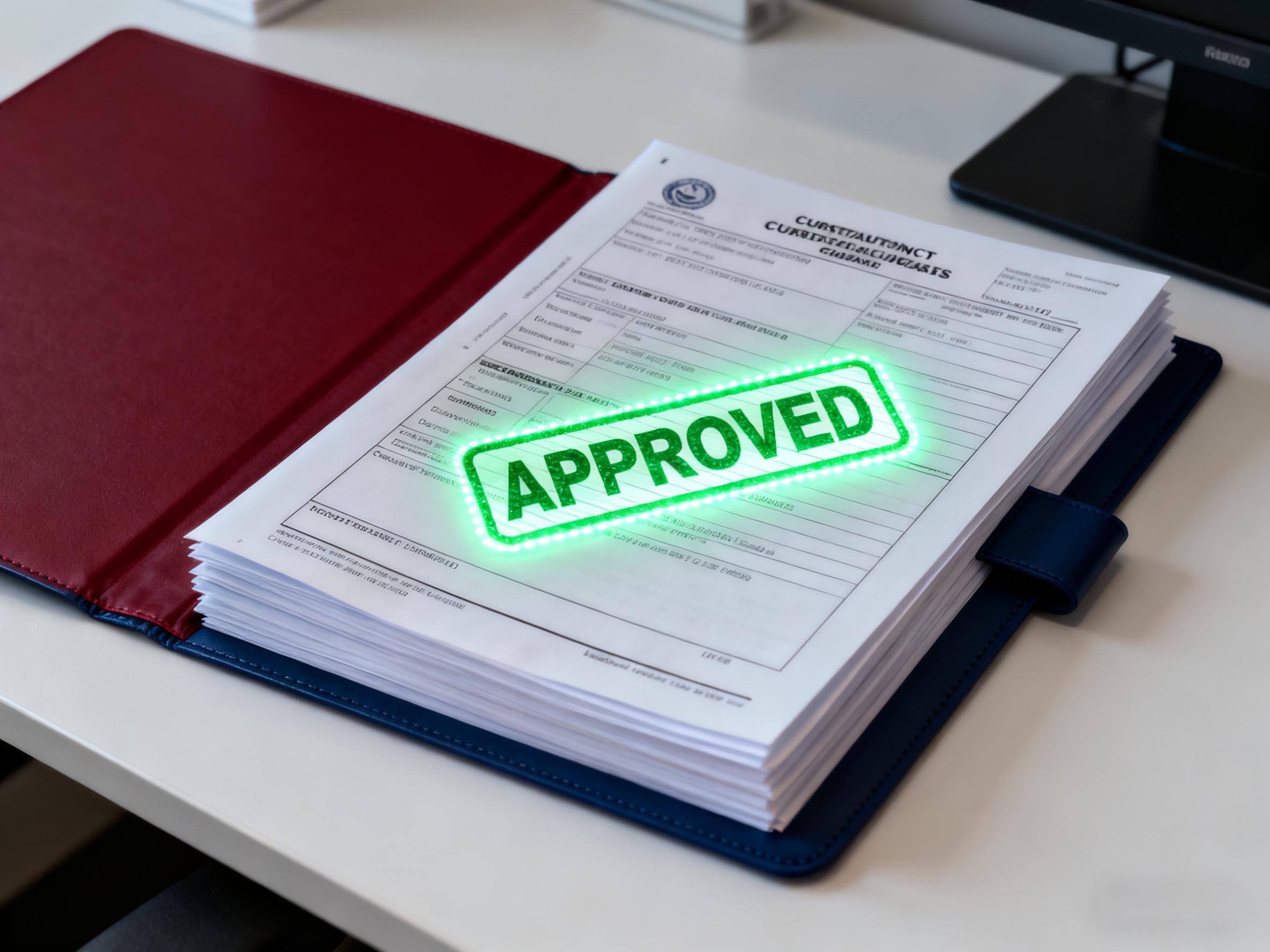
A shipment of LED light fixtures sits in customs for nine days because "lighting fixtures" can plausibly fall under three different tariff headings, and the one your supplier picked carries a duty rate customs doesn't agree with. Nobody lied. Nobody tried to cheat the system. The code was just wrong — and on this corridor, that single number is responsible for more held cargo than almost anything else.
We covered this as the first of five common causes in our guide on why cargo gets stuck at customs. This article goes deeper into the code itself: what it actually is, why it gets misdeclared so often, and what it costs you when it does.
What an HS Code Actually Is
The Harmonised System is an international product classification standard, maintained globally and adapted by each country into its own national tariff schedule. The first six digits are standardised worldwide; most African countries extend that to eight or ten digits for their own purposes. That extended code is what determines your duty rate, whether your product needs additional certification, and whether it's restricted in your destination market at all.
Get the code right, and customs has nothing to question. Get it wrong, and you've handed them a reason to look closer at everything else in your file too.
Why China-Africa Shipments Get This Wrong So Often
-
Generic supplier descriptions — "machine parts," "electronic accessories," "hardware components" — vague enough to fit several different codes, none of them confirmed as the right one.
-
Genuinely borderline products — items that plausibly classify two different ways, where customs disagrees with whoever decided first.
-
A copied code — reusing whatever worked on a similar shipment last time, without re-checking it against this product's actual specs.
-
Translation gaps — a Chinese product name that doesn't map cleanly onto how the destination tariff schedule describes the same category of goods.
What It Actually Costs You
Manual Review Delay
Even a minor mismatch gets your file pulled for review before anyone decides whether it's significant. That alone can add several days.
Red-Lane Examination
An HS code that doesn't match the invoice description is one of the most reliable triggers for a full physical inspection.
Duty Recalculation
If the correct code carries a higher duty rate than the one you declared, you pay the difference — sometimes with little notice.
Misdeclaration Penalty
Even genuine errors can carry a financial penalty in some markets, separate from the recalculated duty itself.
⚠️ Watch Out: The cost of a wrong HS code rarely shows up as one clean number. It's the delay, plus the recalculated duty, plus — in some markets — a penalty on top, and all three stack while your demurrage clock keeps running in the background.
👉 Pro Tip: Get your HS code confirmed in writing by your destination customs broker before your supplier issues the commercial invoice — not after. Keep that confirmation on file. If customs ever questions the code, you have a documented basis for what you declared and why.
Quick Reference: Common Mistakes and Fixes
| Mistake | Why It Happens | How to Prevent It |
|---|---|---|
| Generic description | Supplier wasn't specific enough | Request a detailed spec sheet before confirming the invoice |
| Reused old code | Assumed similar product means same code | Re-verify the code for every new product, every time |
| Borderline classification | Product genuinely fits two categories | Get your broker's written opinion before shipping |
| Unverified translation | Chinese name doesn't map to tariff wording | Describe the product's function, not just its name |
Not sure your HS code is right?
Our Trade & Compliance team can confirm the correct classification with your destination broker before your next shipment leaves China.
Talk to Our Team →Last reviewed: June 2026 · Category: Customs & Compliance
Related articles: Why Your Cargo Is Stuck at Customs · Customs Value vs. Invoice Value · Document Checklist